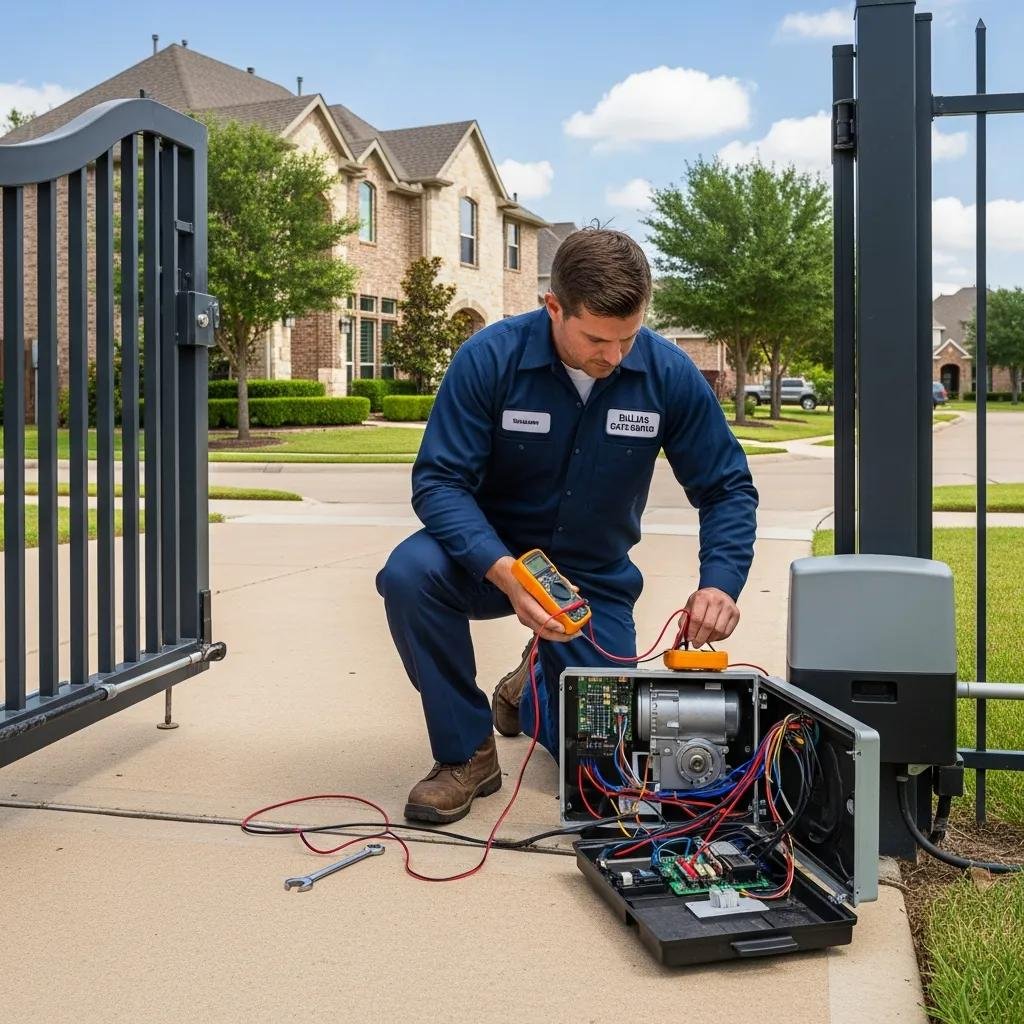
Automatic gate sensors are essential components of modern gate automation systems. They detect vehicles, people, and obstacles to control gate movement and ensure safety. Different sensor types are used for different purposes, and each one works in a specific way.
This guide explains how automatic gate sensors work and matches each explanation with the correct sensor type you typically see in real-world images.
Vehicle Sensors for Automatic Gates (Wireless & Magnetic Sensors)


Vehicle sensors are designed specifically to detect cars, trucks, and motorcycles approaching or waiting near a gate. These sensors are often wireless and use magnetic or electromagnetic detection technology.
When a vehicle enters the sensor’s detection zone, the metal body of the vehicle changes the magnetic field. The sensor immediately sends a signal to the gate controller, triggering the gate to open or remain open.
These sensors are commonly installed beside or near the driveway rather than buried underground, making installation easier than loop detectors.
Best use cases include residential driveways, private roads, and locations where cutting the pavement is not practical.
Inductive Loop Detectors (Underground Vehicle Detection)


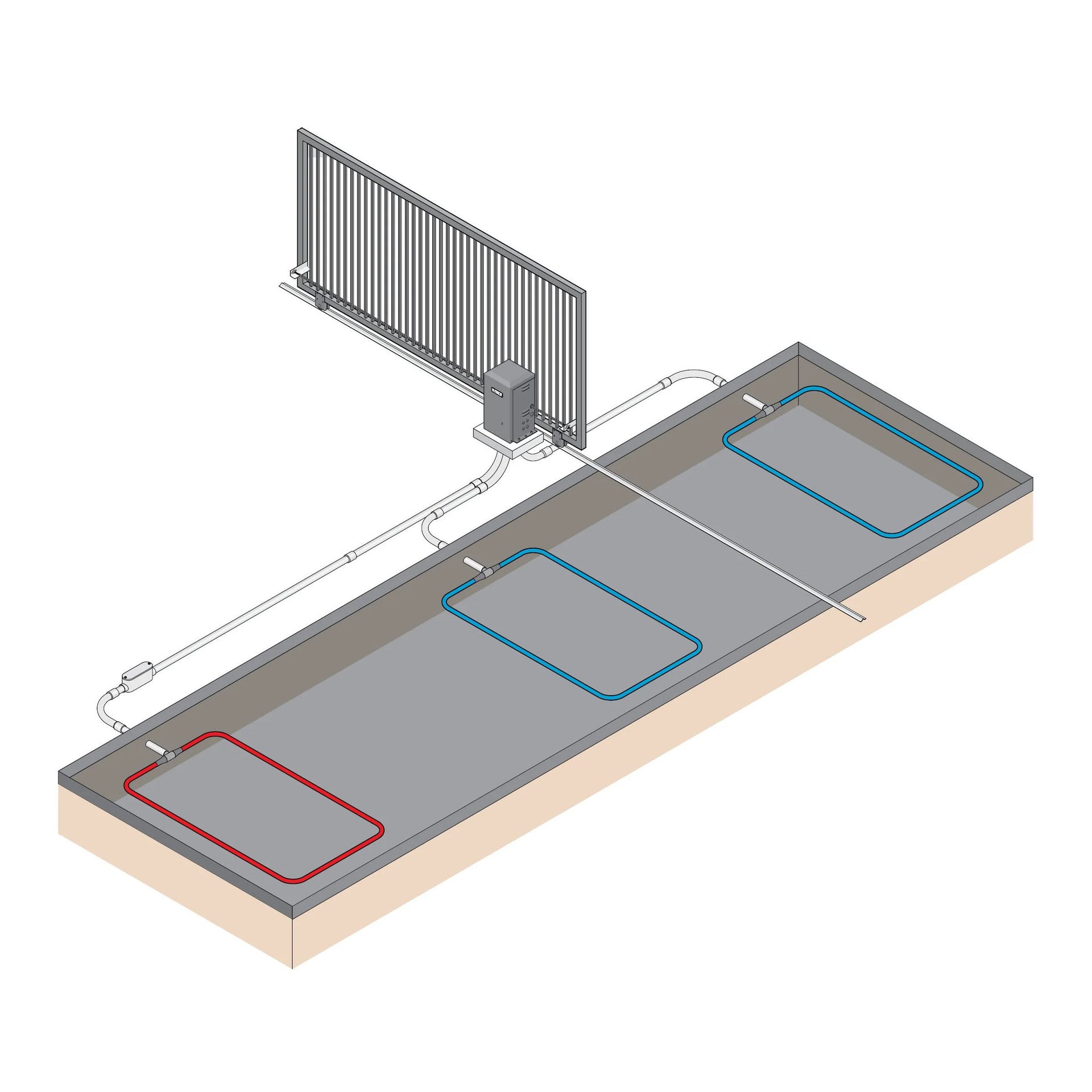
Inductive loop detectors are one of the most reliable ways to detect vehicles at automatic gates. A loop of wire is installed under the driveway surface and connected to a loop detector module.
When a vehicle drives over the loop, the metal mass alters the electromagnetic field. This change signals the gate controller that a vehicle is present.
Loop detectors are widely used in commercial, industrial, and high-traffic areas because of their accuracy. They prevent the gate from closing while a vehicle is still in the gate path.
These sensors are vehicle-only and do not detect pedestrians.
Photoelectric (Infrared) Safety Sensors for Gate Protection
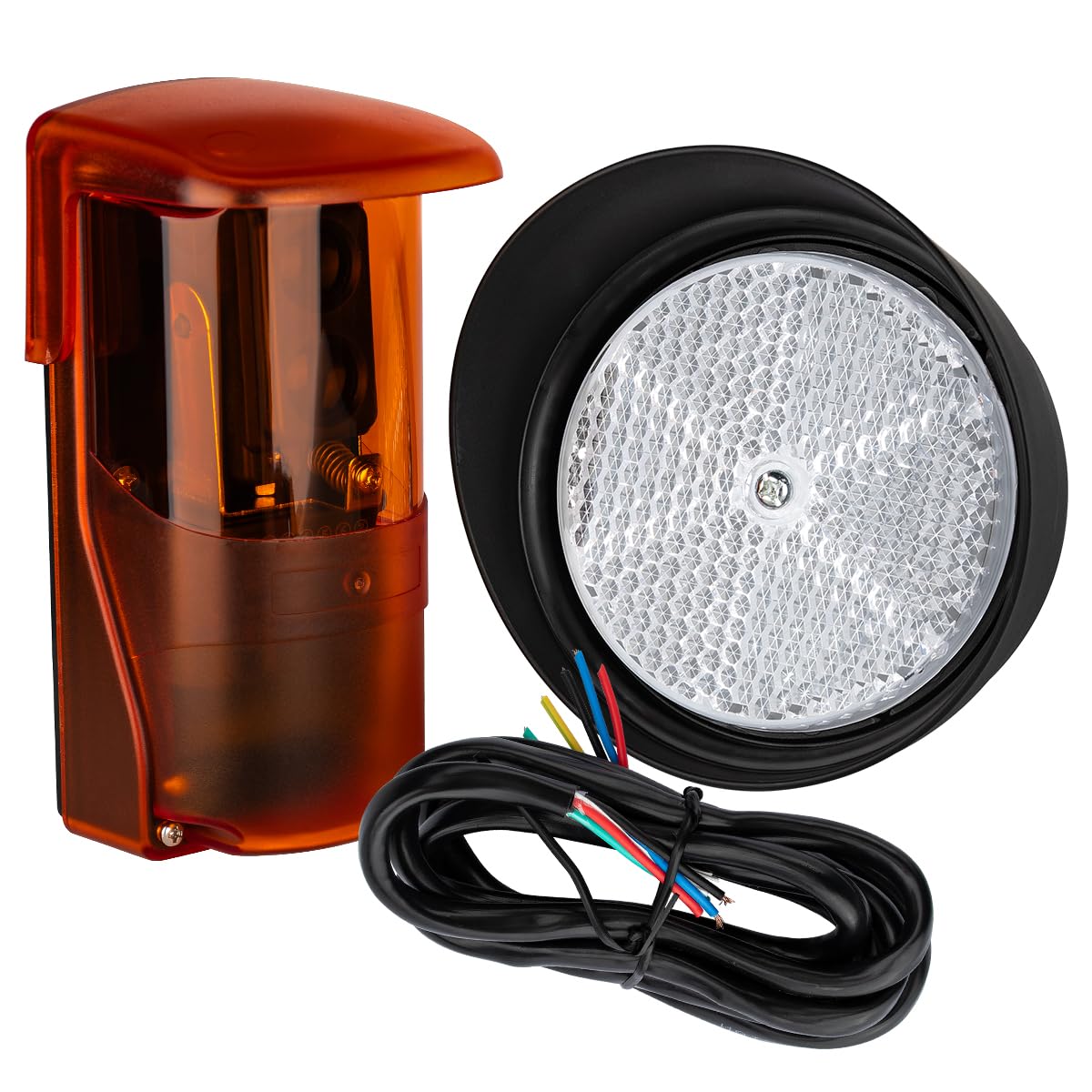
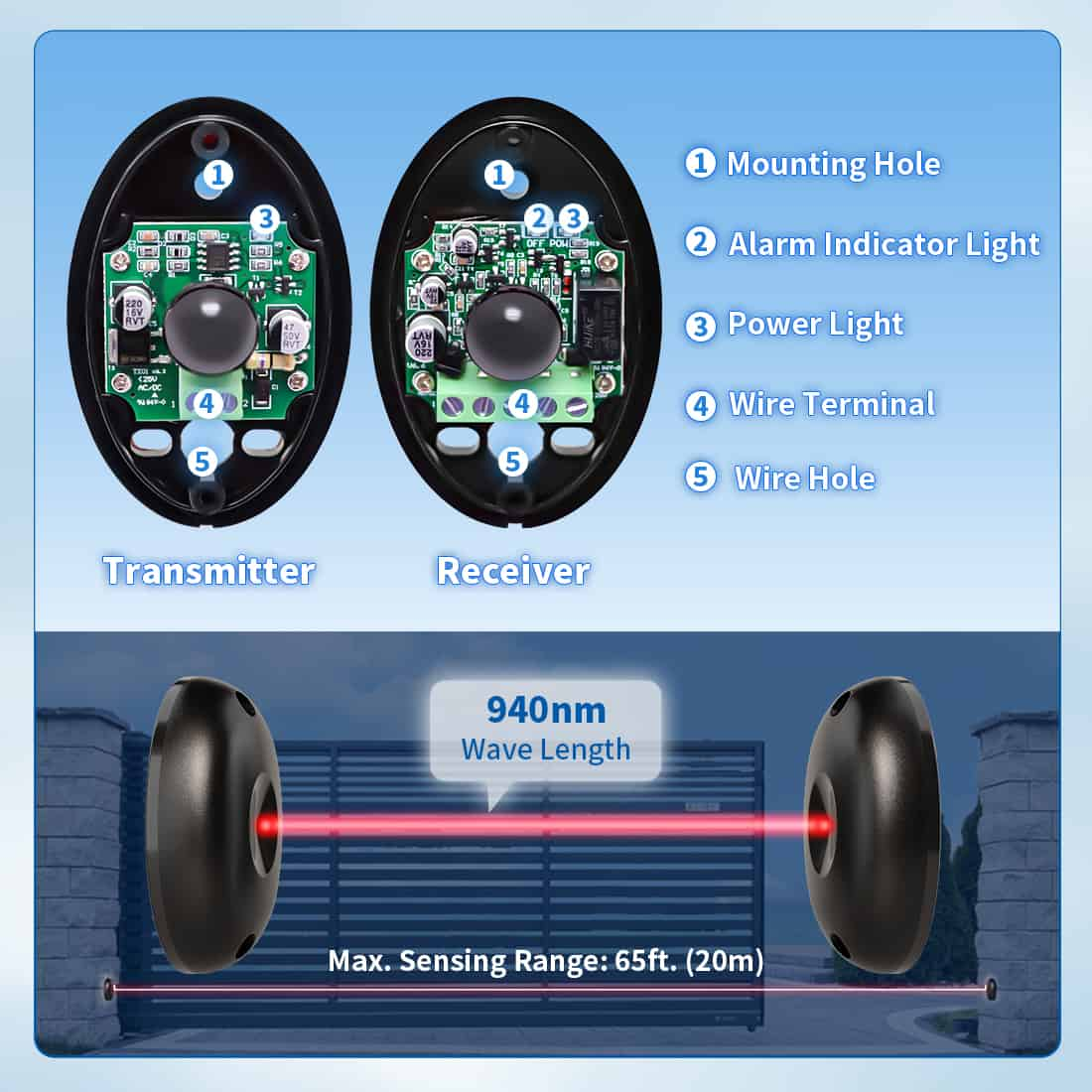

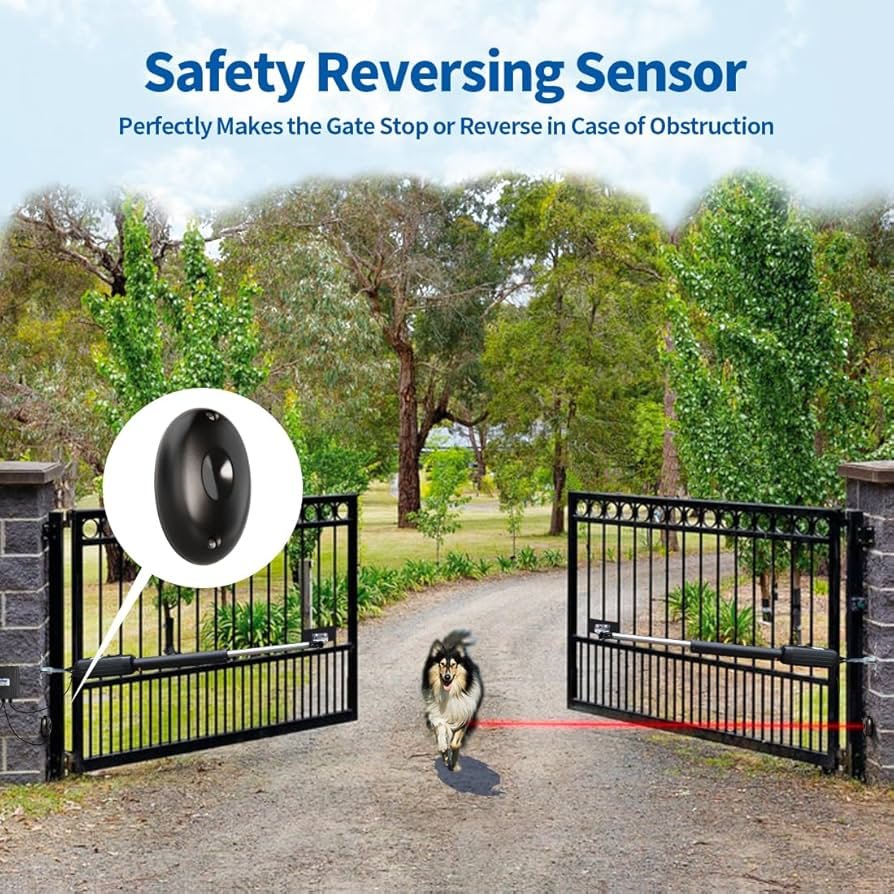
Photoelectric sensors, also known as photo eyes, are one of the most important safety devices in automatic gate systems. They work by sending an invisible infrared beam between a transmitter and a receiver.
If a person, vehicle, or object breaks the beam while the gate is closing, the sensor instantly signals the controller to stop or reverse the gate.
These sensors are typically mounted on both sides of the gate opening and are required in many safety standards. They protect pedestrians, pets, and vehicles from being struck by the gate.
Photoelectric sensors must be properly aligned and kept clean to function reliably.
Motion and Radar Sensors for Automatic Gate Opening
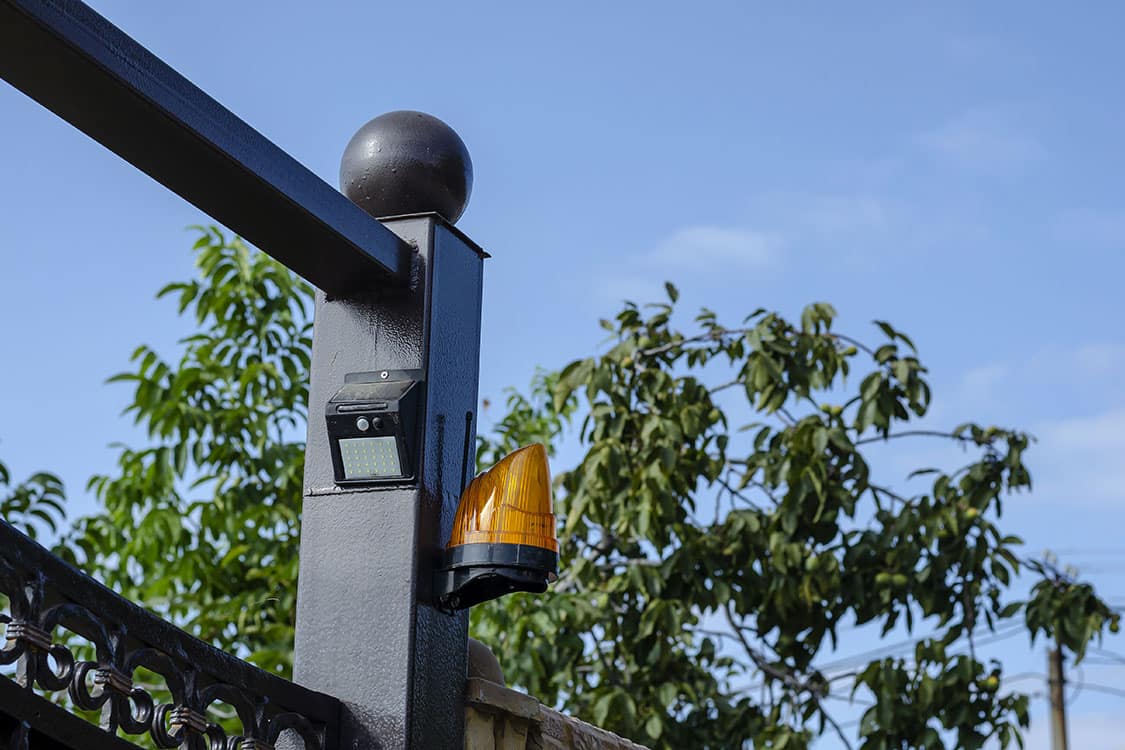

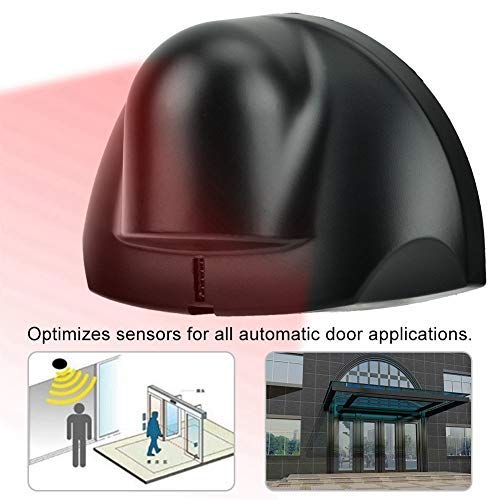
Motion and radar sensors are used to detect approaching movement and automatically open the gate. Radar sensors emit microwave signals and detect reflected waves caused by moving objects.
These sensors perform well in poor weather conditions such as rain, fog, or dust. They are often used in commercial entrances and parking facilities where hands-free access is needed.
Sensitivity settings must be adjusted carefully to avoid detecting passing traffic or nearby movement that should not trigger the gate.
Safety Edge Sensors (Contact-Based Protection)


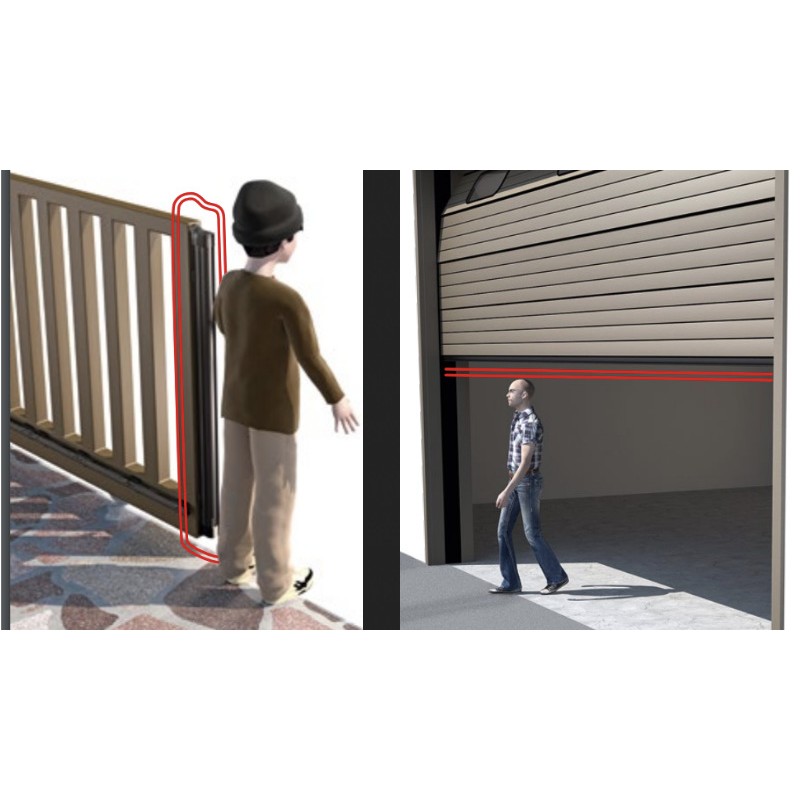
Safety edge sensors are flexible rubber strips installed along the moving edge of a gate. Inside the strip is a pressure-sensitive contact.
If the gate touches an object while moving, the safety edge compresses and immediately sends a signal to stop or reverse the gate.
These sensors provide direct physical protection and are especially important for heavy sliding or swing gates. They act as a final layer of safety if other sensors fail to detect an obstacle.
How the Gate Controller Uses Sensor Signals
All sensors connect to the gate control board, which acts as the system’s brain.
If a vehicle sensor or loop detector is triggered, the controller opens the gate.
If a photoelectric or safety edge sensor detects an obstruction, the controller stops or reverses the gate.
If a vehicle is still detected, the controller delays closing.
If the gate reaches its open or closed limit, the controller cuts power to the motor.
This coordination ensures smooth and safe operation.
Key Features of Automatic Gate Sensors
Accurate vehicle and pedestrian detection
Real-time obstacle sensing for safety
Support for multiple sensor types at once
Hands-free automatic gate operation
Adjustable sensitivity and detection range
Weather-resistant outdoor construction
Fast response to prevent accidents
Fail-safe operation during errors or faults
Low power usage for solar or battery systems
Helps meet automatic gate safety regulations
Frequently Asked Questions (FAQ)
Which sensor matches wireless vehicle sensor images?
Wireless vehicle sensor images usually show magnetic or electromagnetic sensors placed near the driveway. These detect metal vehicles without cutting the pavement.
Why are photoelectric sensors shown on both sides of the gate?
Photoelectric sensors must create a clear beam path across the gate opening. Installing them on both sides ensures proper detection of people and vehicles.
Are loop detectors better than wireless vehicle sensors?
Loop detectors are more accurate for heavy traffic areas, while wireless vehicle sensors are easier to install and ideal for residential use.
Can one automatic gate use all these sensors together?
Yes. Many systems combine vehicle sensors, photoelectric beams, motion sensors, and safety edges for layered protection.
Do these sensors work at night?
Yes. Most sensors, including infrared, radar, and loop detectors, function perfectly in complete darkness.
Final Thoughts
Each automatic gate sensor type serves a specific purpose, and the images you see usually indicate how and where that sensor is used. Matching the correct sensor to the correct application improves safety, reliability, and performance.